The Role of Intrinsic Foot Muscles in Movement & Stability
Why Strengthening Intrinsic Foot Muscles is Essential for Movement & Stability
As fitness professionals, we often focus on large muscle groups, but the smaller, lesser-known muscles are just as crucial for optimal performance and injury prevention. Today, let’s talk about the intrinsic muscles of the foot, which play a vital role in movement, stability, and functional health. Understanding how these muscles work—and how to strengthen them—can enhance client performance and long-term health.
What Are Intrinsic Foot Muscles & Why Do They Matter?
The intrinsic muscles of the foot are small muscles located entirely within the foot. They are responsible for fine motor control, maintaining arch integrity, and stabilising the foot during movement. Unlike extrinsic muscles, which originate outside the foot (from the leg), intrinsic muscles provide localised foot control and support.
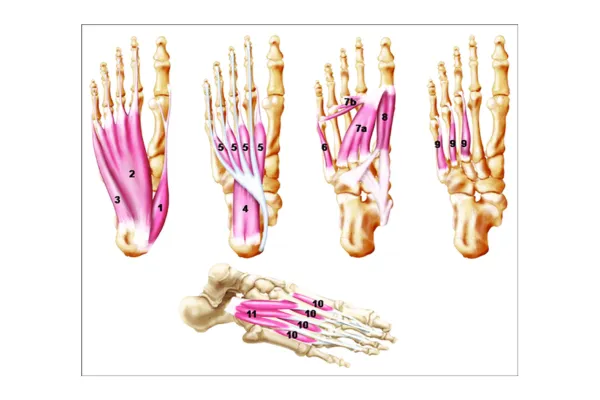
The Four Layers of Intrinsic Foot Muscles
First Layer (Superficial):
Abductor hallucis (supports the medial arch, controls the big toe)
Flexor digitorum brevis (flexes the toes)
Abductor digiti minimi (supports the lateral arch, controls the little toe

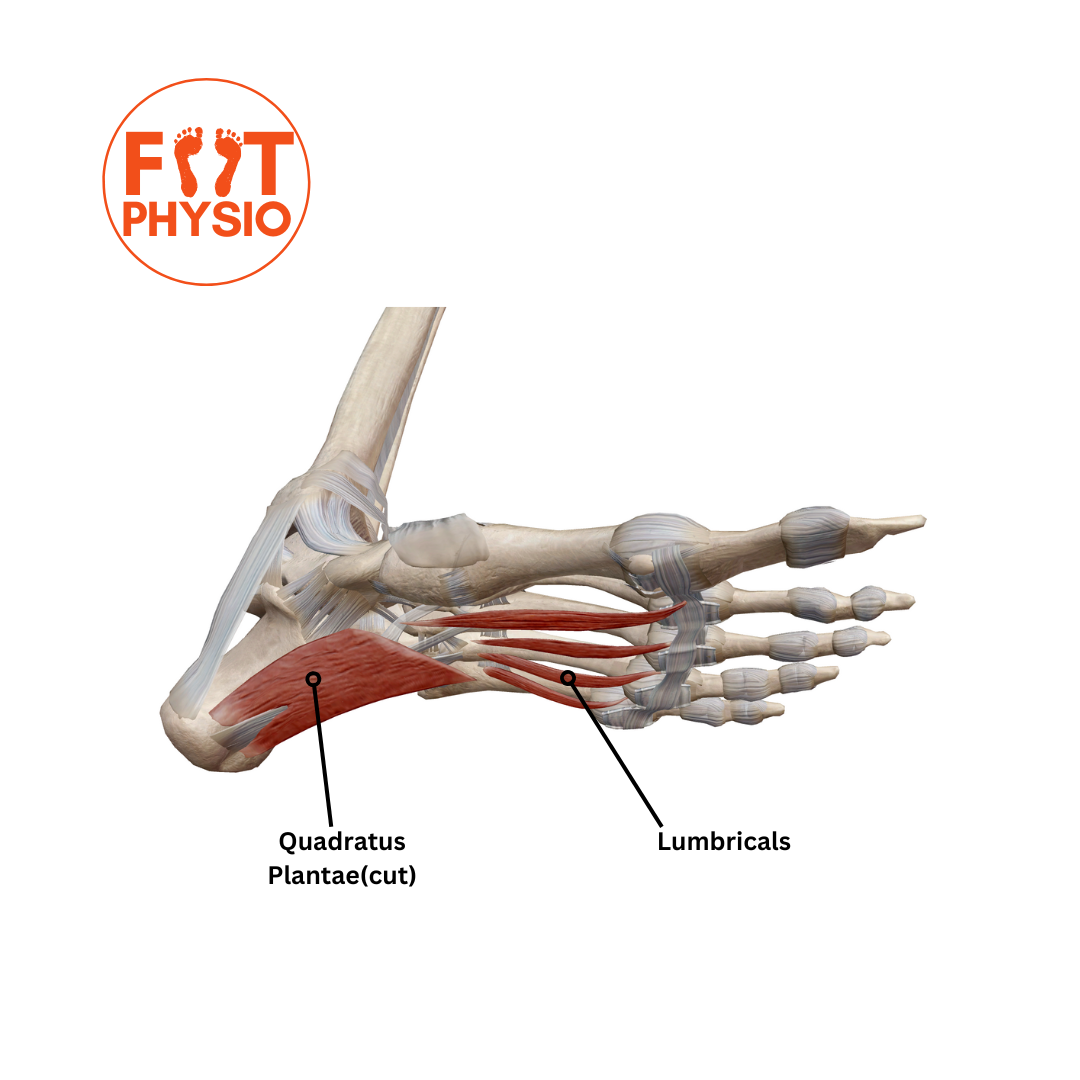
Second Layer:
Quadratus plantae (assists in toe flexion)
Lumbricals (help with toe movement and stability)
Third Layer:
Flexor hallucis brevis (flexes the big toe)
Adductor hallucis (provides transverse arch support)
Flexor digiti minimi brevis (controls the small toe)

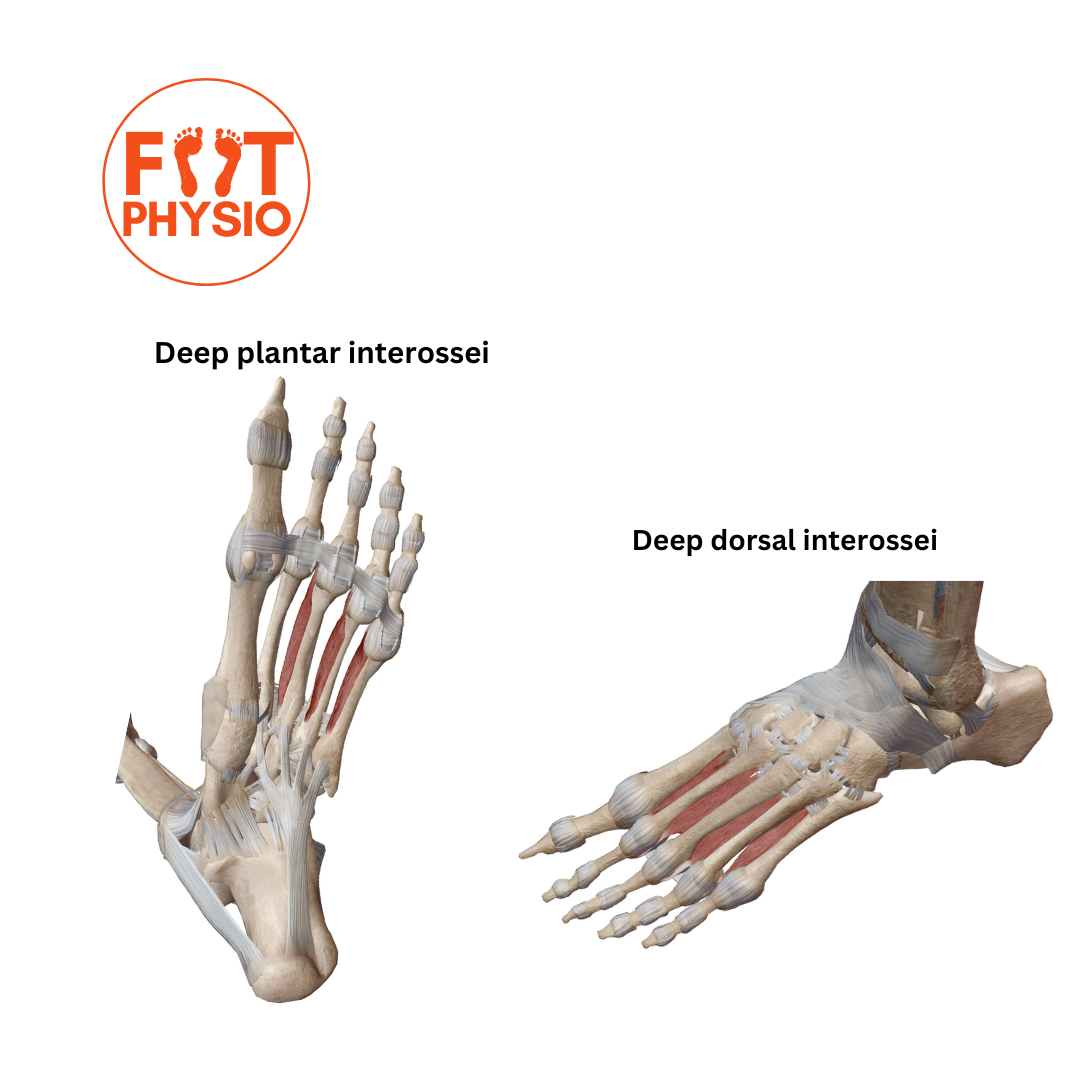
Fourth Layer (Deep):
Plantar interossei (adduct the toes)
Dorsal interossei (abduct the toes)
The Importance of Intrinsic Foot Strength for Fitness & Injury Prevention
1. Arch Support & Foot Stability
The intrinsic muscles maintain the foot’s arches (medial, lateral, and transverse). A strong arch acts as a shock absorber, distributing weight evenly. Weak intrinsic muscles can lead to flat feet, over-pronation, knee pain, and lower back discomfort.
2. Enhancing Balance & Proprioception
The intrinsic muscles work with extrinsic muscles to stabilise movement. Whether your clients are performing a squat, lunge, or jumping drill, strong intrinsic muscles improve balance and prevent injuries. Strengthening these muscles enhances proprioception, reducing the risk of ankle sprains and falls.
3. Preventing Injuries with Stronger Intrinsic Foot Muscles
Weak intrinsic muscles contribute to common foot issues like:
Plantar fasciitis
Bunions
Metatarsalgia
By strengthening these muscles, you improve foot mechanics and reduce the risk of painful conditions.
Best Foot Strengthening Exercises for Stability & Injury Prevention
Add Foot Strengthening During Warm-Ups
Exercise: Short Foot Exercise (Arch Doming)
How to do it: Stand barefoot, “shorten” the foot by pulling the ball of the foot toward the heel, engaging the arch muscles. Keep the toes relaxed.
Reps: Hold for 5-10 seconds, repeat 8-10 times.
Benefit: Activates and strengthens the medial longitudinal arch for better foot support during weight-bearing exercises.
Integrate Intrinsic Work During Lower Body Exercises
Exercise: Single-Leg Romanian Deadlifts
How to do it: Perform this barefoot, focusing on foot stabilization and keeping the big toe firmly planted.
Reps: 8-12 reps per leg.
Benefit: Engages intrinsic foot muscles for stability and balance, strengthening the posterior chain.
Use Balance & Stability Drills
Exercise: Single-Leg Balance on an Unstable Surface
How to do it: Stand barefoot on a foam pad or balance disc and hold a single-leg stance for 30 seconds. Progress by closing eyes or adding light movements.
Reps: 2-3 sets per leg.
Benefit: Challenges intrinsic muscles to improve foot stability and proprioception.
Recovery & Restorative Foot Work
Exercise: Toe Spreading (Toe Splay)
How to do it: Sit barefoot and spread your toes as wide as possible, then relax. Use toe separators for extra resistance.
Reps: 10-12 times.
Benefit: Strengthens toe muscles and improves foot alignment, preventing bunions and hammertoes.
Conclusion: Strong Feet = Strong Foundation
Integrating intrinsic foot muscle strengthening into training programs enhances performance and reduces injury risk. By adding foot-specific warm-ups, balance drills, and recovery work, fitness professionals can help clients build a solid foundation for movement.
Want to learn more about foot health in training programs?
Join our online course, where we cover in-depth foot assessments and corrective exercises.
Click here to get started and help your clients perform better from the ground up!


