
Enhance Your Clients' Performance by Mastering Foot Mechanics
As a fitness professional, you already understand the importance of solid foundations when it comes to performance, mobility, and injury prevention. One of the most critical yet often overlooked components of the body is the foot. Understanding foot mechanics and how they influence movement can significantly elevate the results you provide for your clients, whether you’re a personal trainer, yoga instructor, Pilates teacher, or physiotherapist.
The foot plays a pivotal role in almost every movement we do. It’s the body's first point of contact with the ground and is responsible for absorbing impact, stabilizing, and propelling us forward. It is a shock absorber and a rigid lever and many fitness professionals overlook the complexity and importance of the foot's ability to both lock and unlock—a process that is vital for normal function.
Locking and Unlocking Mechanism
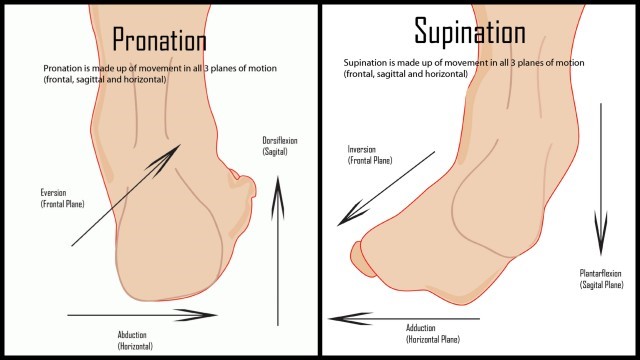
For efficient movement, the foot needs to transition smoothly between a mobile, adaptable state and a more rigid, stable state. This is known as the foot’s locking and unlocking mechanism. During walking, running, or any dynamic movement, the foot goes through two main phases: pronation and supination.
Pronation (Unlocking): When the foot hits the ground, it must be flexible and adaptable to absorb shock and adjust to the surface. This is achieved through pronation, where the arch of the foot slightly lowers, allowing the foot to "unlock." In this phase, the foot becomes a mobile adaptor, helping to absorb shock and therefore distribute forces through the lower limb.
Supination (Locking): As you push off the ground, the foot needs to transition into a stable, rigid lever to provide enough force for propulsion. This happens through supination, where the arch of the foot rises, and the foot "locks." A locked foot provides the necessary stiffness and stability for pushing off the ground efficiently, whether you’re running, jumping, or performing any weight-bearing exercise.
Why Foot Mechanics Matter for Fitness Professionals
A foot that cannot properly lock and unlock or is stuck in one position or the other will affect movement patterns and increase the risk of injury. For fitness professionals working with clients on strength, mobility, or athletic performance, understanding these mechanics is essential to optimise results and prevent compensatory patterns that could lead to pain or dysfunction.
For example:
In Yoga: A foot that stays overly pronated (collapsed arch) may lead to poor balance and alignment, affecting the entire kinetic chain from the ankles to the knees and hips, and even up to the spine. Proper foot mechanics are crucial for improving stability in standing poses such as Warrior or Tree Pose.
In Pilates: The foot’s role in providing stability through the posterior chain is important, especially in exercises that involve standing, lunging, or jumping, such as on the Reformer or in mat-based routines. A well-functioning foot allows for better control and balance during movements, leading to a more effective workout.
In Strength Training: A foot that doesn’t supinate effectively might struggle to generate enough force in compound lifts like squats or deadlifts. You might also notice common compensations like knees caving in or feet turning out, which are clear signs that the foot’s mechanics are off.
In Physiotherapy: Poor foot function can lead to compensations elsewhere in the body, contributing to conditions like plantar fasciitis, shin splints, patellofemoral pain, and even low back pain. By assessing foot function and addressing any issues in locking or unlocking, you can significantly reduce pain and improve overall movement quality for your clients.
What You Can Do as a Fitness Professional
Integrating foot-specific training and assessments into your practice can help your clients perform at their best while reducing their risk of injury. Here are some strategies you can start incorporating:
Foot Mobility Exercises: Improve your clients’ ability to pronate and supinate by focusing on exercises that encourage full range of motion in the ankle and foot.
Balance and Stability Work: Challenge your clients’ balance and foot stability by using exercises that require them to stabilize in various planes of motion (e.g., single-leg deadlifts, balance drills, and uneven surfaces).
Assess for Dysfunction: Use simple tests like the knee-to-wall test or observe compensations during squats, lunges, and other functional movements to determine if a client’s foot mechanics are contributing to issues elsewhere in the body.
By understanding and addressing the foundational role of the foot, you can make a significant difference in how your clients move and feel. If you'd like to dive deeper into foot mechanics and how to effectively apply this knowledge in your practice, my [online course] is designed specifically for fitness professionals like you.
Feel free to reach out with any questions or for more information on how foot mechanics can improve the way you coach your clients!


